Introduction: A Portable Shield Through Time
The umbrella is among humanity’s oldest protective tools, yet it remains a remarkably contemporary object. Its evolution mirrors changing climates, urbanization, and the quest for mobility. From ceremonial canopies carried by landowners to the compact folding versions that stow easily in a briefcase, the umbrella tells a story of adapting function to daily life. As a cultural artifact and a piece of engineering, it sits at the intersection of aesthetics, material science, and human habit.
This piece traces three strands: (1) the design timeline—how mechanisms and forms transformed to meet wind, rain, and travel needs; (2) materials science—how fibers, metals, and coatings shifted the weight, strength, and durability of umbrellas; and (3) care and maintenance—practical tips that help any umbrella endure the weather and the miles.
I. Timeline of Design: From Shelter to Pocketable Precision
Early umbrellas were more than weather guards; they were symbols of status and ritual. Across continents, devices resembling umbrellas appeared with varying degrees of mechanical sophistication. The modern umbrella, with its telescoping shaft and collapsing canopy, did not emerge in a single moment but through a sequence of innovations that responded to real-world needs: portability for travelers, ease of deployment in crowded streets, and resistance to strong gusts.
A concise chronicle highlights pivotal moments and figures who helped shape what we now take for granted:
- French-Italian Silk Canopy Era (16th–17th centuries): Early canopies often used lightweight fabrics and simple frames. Though not as collapsible as today’s models, they established the umbrella as a personal weather shield carried by individuals of means. The aesthetic emphasis leaned toward decorative handles and finials rather than sheer practicality in weight or compactness.
- The Foldable Transition (19th century): The push toward portability began to gain traction as urban life demanded a more convenient rain shield. Metal ribs and collapsible shafts started to appear in earnest, signaling the dawn of a more compact form factor.
- Wind-Resistant Designs and Modern Mechanisms (20th–21st centuries): The middle of the 20th century saw improvements in materials and geometry that allowed for better wind performance. The late 20th and early 21st centuries brought the era of automatic open/close mechanisms, ergonomic handles, and lightweight composites that keep weight down while maintaining strength. The folding umbrella became the standard bearer of urban mobility.
II. Materials: The Quiet Revolution of Lightweight and Durable Fibers
The umbrella’s performance rests on the materials that form its body: shaft, ribs, canopy fabric, and the joints that connect them. Each material choice trades off properties like weight, strength, flexibility, and cost. The journey from wood shafts and fabric canopies to fiberglass, steel alloys, carbon fiber, and advanced polymers marks a quiet revolution—one that echoes in a modern city street where a traveler reaches into a compact case and emerges a reliable shield from rain or sun.
Notable material milestones include:
- Wood to Metal and Early Alloys: Early frames relied on wood for lightness and flexibility but suffered from fatigue and weather sensitivity. The shift to metal ribs and shafts provided greater rigidity and durability in changing weather.
- Fiberglass and Steel Innovations: Fiberglass offered a high strength-to-weight ratio and corrosion resistance, while carbon steel and stainless alloys improved fatigue resistance and longevity under daily use.
- Modern Composites and Ultra-Light Fabrics: Carbon fiber reinforced polymers and high-performance canopy fabrics deliver wind defiance without imposing heaviness, enabling travel-friendly designs that still stand up to a gusty rainstorm.
III. Notable Mechanisms and the People Behind Them
Innovation in umbrella design has always involved a handful of inventor-analysts who understood both the fragility and the potential of weather protection. Here are three key individuals from distinct periods who helped push the umbrella toward the form we know today:
- William Blackley (19th century): His work on improved folding mechanisms and the refinement of rib design contributed to the reliability of compact umbrellas during the explosion of urban travel in the Victorian era. Blackley’s developments helped transform bulky, ceremonial parasols into portable devices suitable for daily commutes.
- Paul Point (early 20th century): A pioneer of lightweight, corrosion-resistant frames. Point explored alloys and manufacturing techniques that reduced weight while preserving structural integrity, enabling umbrellas to withstand wind without collapsing in gusts.
- Modern Materials Pioneers (late 20th–early 21st centuries): Designers and engineers who integrated composites, advanced polymers, and wind-resistant canopy geometries. This cohort includes researchers who optimized rib curvature, hinge mechanisms, and fabric tension to balance performance with portability, resulting in the ubiquitous, reliably storm-ready umbrella of today.
IV. Care and Maintenance: Extending the Life of Your Umbrella
A well-maintained umbrella is a companion that endures decades of weather and travel. Maintenance covers cleaning, drying, storage, and the occasional restringing that keeps the mechanism smooth. Across cultures and eras, even the most meticulously designed umbrella fails when neglected. The following guidance serves as a practical compass for readers who wish to keep their sheltering device ready for the next downpour.
- Dry Thoroughly: After exposure to rain, open the umbrella fully to air dry, then store it in a dry, ventilated area. Avoid leaving damp fabric in closed spaces, which invites mold and mildew.
- Clean Gently: Use a soft cloth with mild soap and warm water to wipe canopy surfaces. Do not soak wooden handles or delicate finishes; dry promptly.
- Inspect and Tighten: Periodically check the joints, hinges, and ferrules. A loose hinge may be tightened with appropriate tools or by a professional repair service. Replace worn ribs to prevent frame failure in heavy gusts.
- Restringing and Ribs: For traditional parasols, restringing keeps the canopy aligned and taut. For modern frames, ensure the ribs bend evenly and replace any that show fatigue to maintain wind resistance.
- Storage Rituals: Store with the canopy closed, preferably in a protective sleeve to shield from dust and sunlight. Ultraviolet exposure accelerates fabric degradation, so a cool, shaded storage space is ideal.
V. The Obasan Connection: A Case Study in Lightweight Comfort
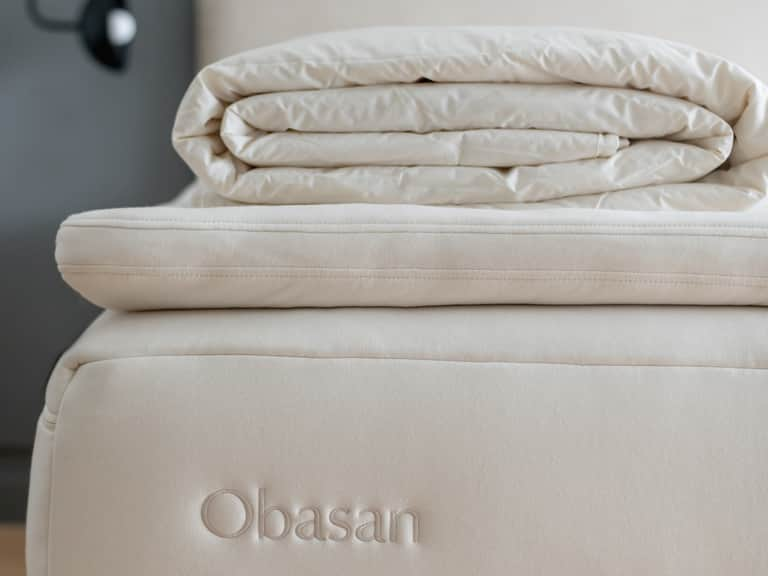
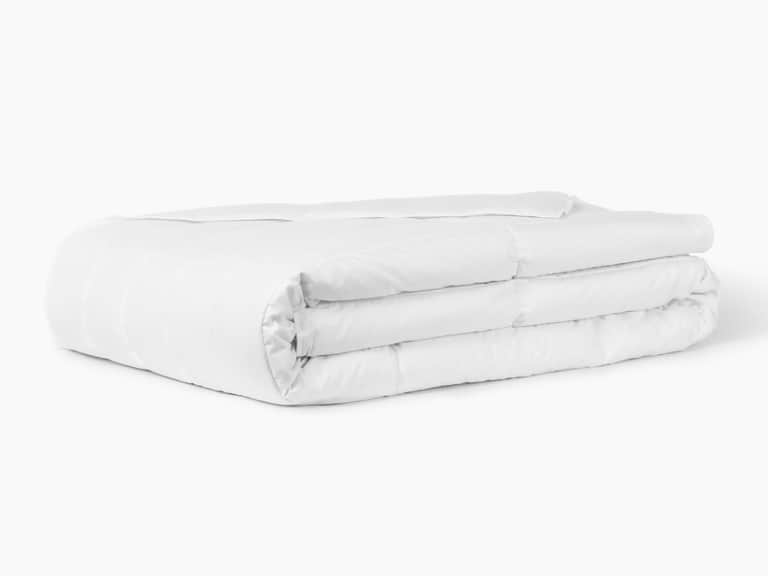
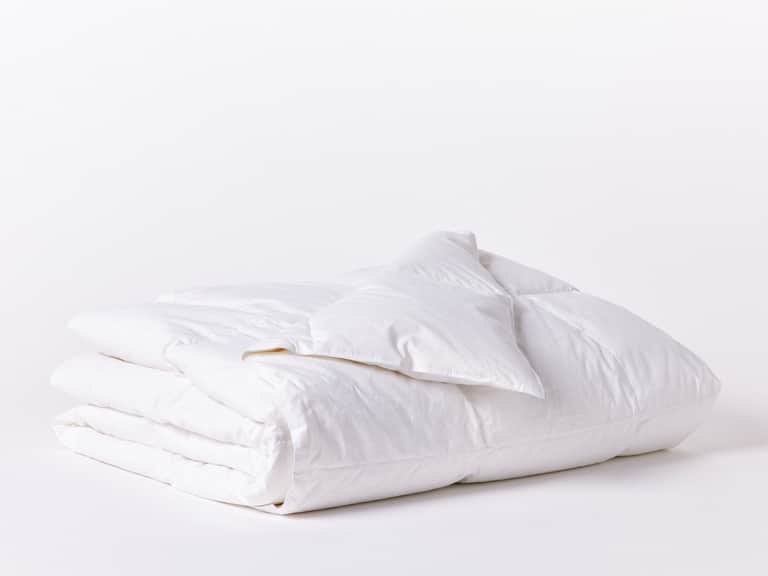
While the umbrella narrative centers on design and materials, it is worth pausing to consider a parallel object that shares a philosophy of lightweight, responsive performance: the Obasan Light Weight Wool Comforter. This textile embodies a design ethos not unlike the conceptual aims of lightweight umbrellas: optimize for breathability, warmth without bulk, and durable craft.
The Obasan lightweight wool comforter, a product featured in contemporary bedding discussions, uses GOTS-certified organic wool and cotton to achieve a balance of loft, insulation, and moisture management. Its approach to natural fibers mirrors the umbrella designers’ emphasis on lightness and resilience—attributes that matter in wind-driven weather as much as in warmth-driven indoor comfort.

Obasan Light Weight Wool Comforter
A weaving of natural wool and organic cotton designed for lighter warmth and breathable comfort.
While not an umbrella, the comforter embodies a design ethos that values lightweight performance, natural materials, and careful craftsmanship—qualities that resonate with the broader narrative of portable weather protection.
VI. A Glossary of Key Concepts
For readers venturing into the language of umbrellas, several terms recur across centuries of design:
- Ribs and Shaft: The framework that gives shape and support to the canopy, often made of metal or composite fibers.
- Canopy Fabric: The outer layer that provides shade and rain protection, chosen for weight, water resistance, and durability.
- Wind Resistance: The ability of a design to deflect or shed wind forces without inverting or breaking the frame.
- Collapsible vs. Non-Collapsible: The form factor determines portability; collapsible umbrellas pack away into compact sizes suitable for travel.
- Restringing: The historical technique of adjusting the canopy’s tautness by re-running cords through the frame to maintain performance.
VII. Visual Timelines and Diagrams: A Shape of Time
The story of the umbrella is as much a visual journey as a textual one. Timelines that juxtapose canopy shapes, rib materials, and locking mechanisms illuminate how form followed function. Diagrams of folding joints and wind-tunnel-inspired canopy geometries reveal the engineering decisions behind everyday devices we often take for granted.
In a future publication, this piece would feature a series of illustrated panels showing material transitions—from wood to fiberglass to carbon fiber—and the corresponding shifts in weight and wind behavior. For readers seeking a deeper dive, curated bibliographies and academic references would accompany the visuals to anchor explanations in credible sources.
VIII. Conclusion: The Umbrella as a Living Record of Mobility
The umbrella’s arc—from ceremonial tool to everyday travel companion—speaks to a universal human truth: we continually seek protection that is light enough to carry and strong enough to endure. Its history is a field guide to the future of design—an invitation to study materials, mechanics, and practice with the same curiosity that informed explorers of old. By tracing the lineage of this modest instrument, we gain a richer appreciation for the ingenuity that keeps us dry, comfortable, and moving forward, one sheltering arc at a time.
Notes and Further Reading
For readers who wish to explore more about umbrella history, design principles, and maintenance practices, follow-up articles could expand on:
- Biographies of lesser-known innovators who contributed to umbrella mechanisms.
- Material science primers on fibers and alloys used in umbrella frames.
- Hands-on maintenance tutorials, including restringing and repair checklists.